Pool safety obligations for holiday rental owners
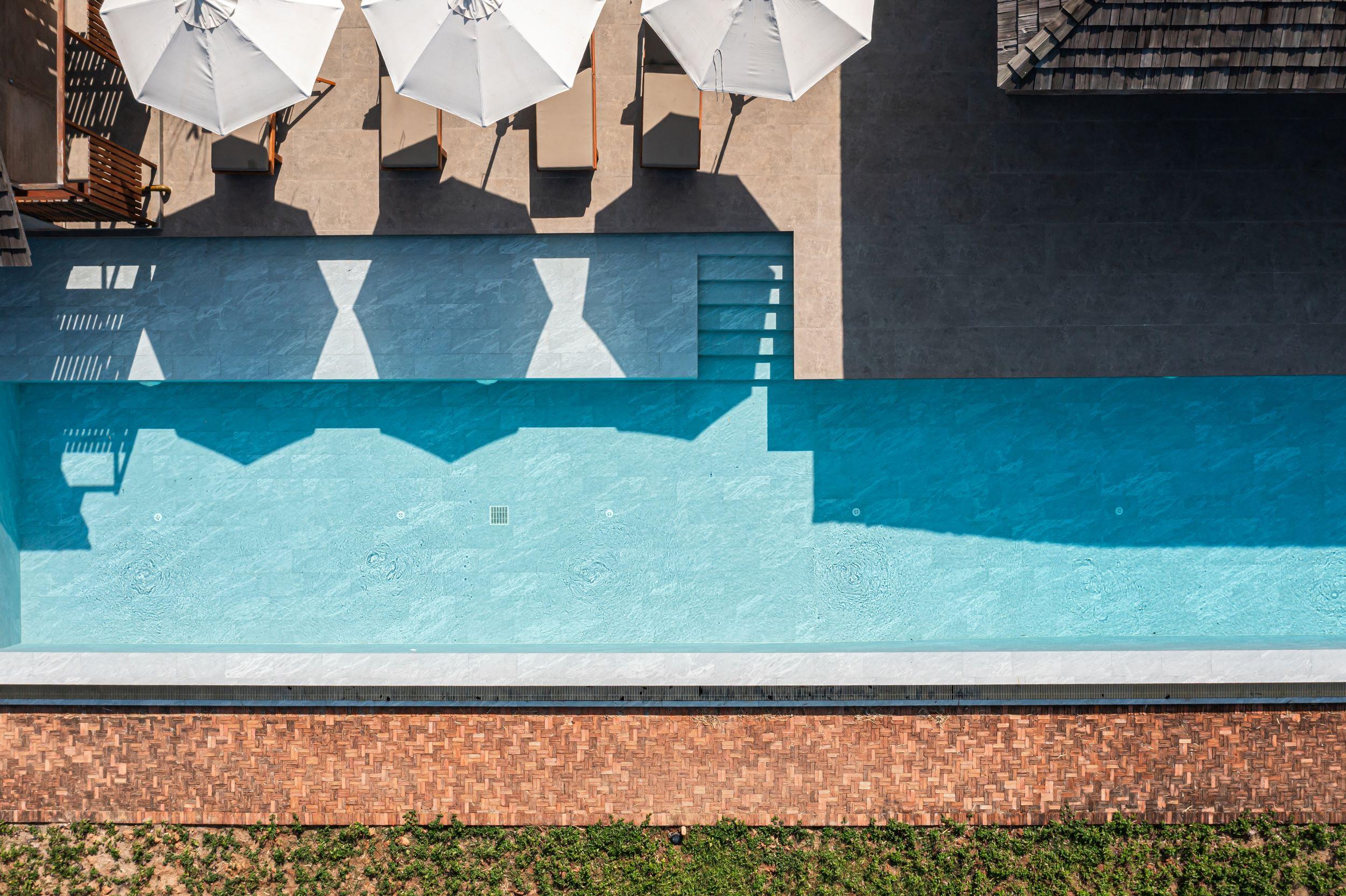
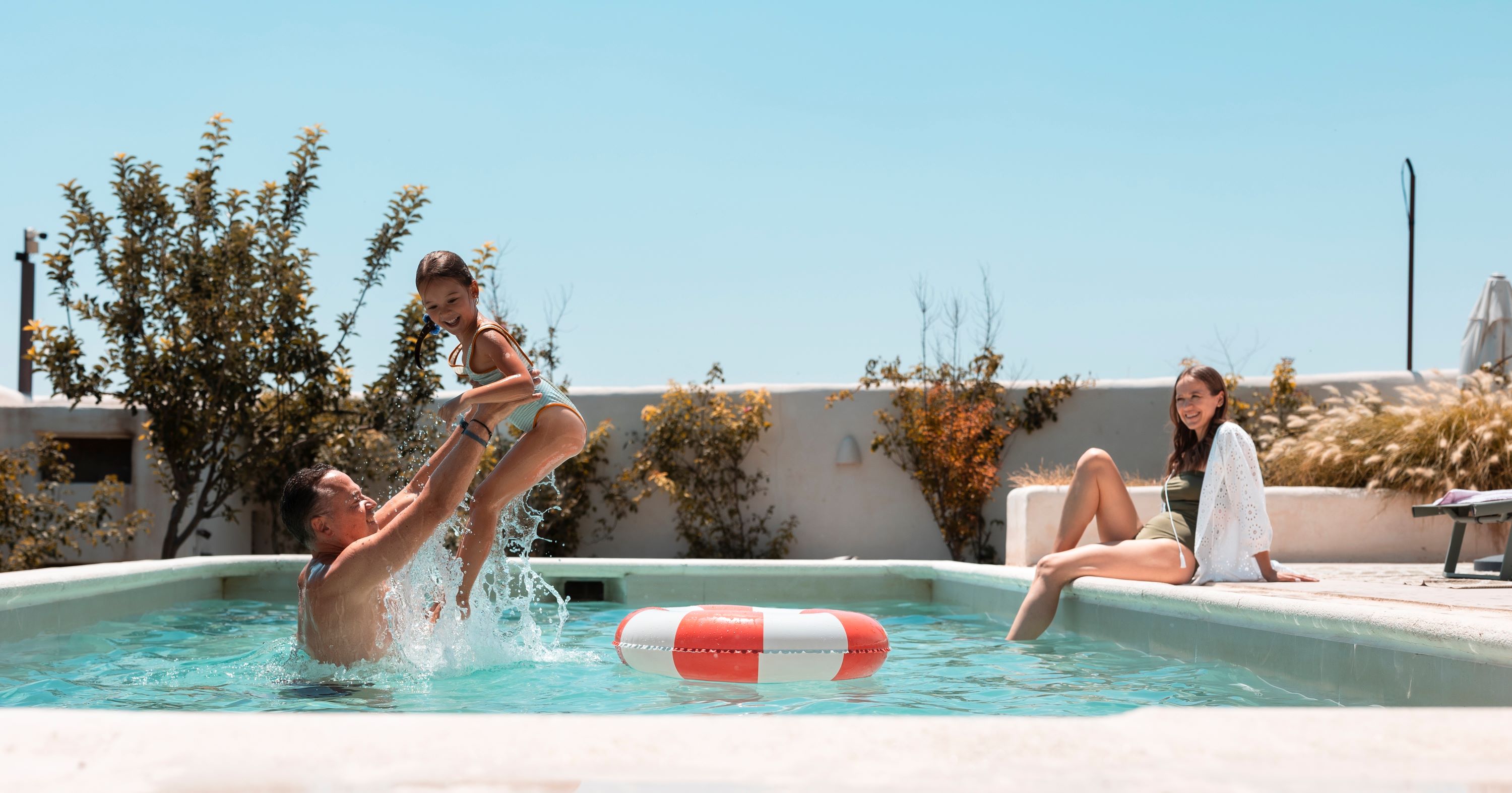
Swimming pools significantly increase the appeal of holiday rental properties, but they also introduce clear legal responsibilities for property owners. Across Europe, swimming pool safety regulations aim to reduce accidents and define the liability of holiday home hosts. This article is intended for owners and landlords who rent out holiday homes with a swimming-pool and explains the safety obligations that apply in key European destinations.
Scope of swimming pool safety regulations for holiday rental owners
Swimming pool in private use vs holiday home
Swimming pool safety rules often vary depending on whether the pool serves only the owner or is offered to paying guests. Holiday rentals are usually treated as semi-public spaces, which means owners must follow stricter standards than those applied to purely private pools. These rules typically involve:
- classification of the pool as private-use or guest-accessible
- application of more rigorous safety measures in tourist accommodations
- compliance with local or regional regulations affecting short‑term rentals
Owner responsibilities and liability
Holiday-home owners must ensure that all safety obligations are consistently met to protect guests. This includes both technical measures and clear communication. Key duties usually involve:
- installing and maintaining legally compliant safety features
- sharing transparent instructions and warnings with guests
- ensuring regular inspections and safe day‑to‑day pool operation
Swimming pool safety regulations for holiday rentals are defined at national level and vary significantly across Europe. For this reason, owners must assess their obligations based on the country in which their property is located. The sections below outline the main regulatory approaches in key European destinations.
France: mandatory pool safety measures
France has some of the most comprehensive pool safety requirements for holiday rental owners in Europe. Since 2004, most residential in‑ground pools, including those in holiday rentals, must be equipped with certified safety systems. The law focuses on preventing accidental drownings and applies when a pool is accessible to guests.
Approved pool safety devices primarily include the following:
- physical barriers meeting French standards
- swimming pool safety covers
- approved pool enclosures
- certified alarm systems
Please always refer to your local legal regulations and governance rules to ensure compliance with local laws.
Non-compliance can lead to substantial fines, making it essential for owners to choose approved equipment and ensure proper installation.
Spain: regional pool safety regulations
In Spain, pool safety obligations for holiday rental owners is defined by a combination of national sanitary standards and regional rules. At national level, Real Decreto 742/2013 sets essential technical and hygiene requirements, including water‑quality controls and the obligation to maintain digital records of inspections and maintenance activities. Regional authorities then determine how these rules apply in practice and whether additional measures are required.
Typical obligations primarily include the following:
- notification of pool opening and ongoing digital self‑monitoring of water treatment and maintenance
- compliance with national sanitary and technical safety standards
- installation of extra safety features (e.g., covers, alarms or barriers) when required by regional regulations
Please always refer to your local legal regulations and governance rules to ensure compliance with local laws.
Because pool classification varies across Spain, regional differences can significantly affect a holiday home’s legal obligations. Given these variations, property owners should always verify the specific requirements applicable in their autonomous community to ensure full and continuous compliance.
Italy: pool safety requirements for rental properties
Italy does not regulate private holiday-home pools through a dedicated pool law. Instead, pools fall under general health, safety and accommodation rules applicable to tourist properties. Owners must ensure safe operation as part of broader hosting responsibilities.
Typical requirements primarily include the following:
- water‑quality monitoring and prevention of health risks (e.g., legionella)
- compliance with technical and emergency‑preparedness standards
- adherence to strengthened short‑term rental safety rules under recent legislation
Please always refer to your local legal regulations and governance rules to ensure compliance with local laws.
While Italy does not currently require specific swimming pool safety equipment such as fences or alarms for private holiday homes, non-compliance with applicable safety and maintenance obligations may lead to administrative sanctions.
Croatia: safety standards for holiday-home pools
Croatia does not impose nationwide pool‑specific safety obligations for private holiday rentals. Instead, pools are regulated under general accommodation laws, which emphasise property registration, minimum safety standards and proper maintenance during guest stays.
Typical practices among holiday-home owners primarily include the following:
- informing guests that pool use is at their own risk and ensuring adult supervision of children
- providing clear swimming pool safety signs
- performing regular maintenance to keep the pool clean and functional
Please always refer to your local legal regulations and governance rules to ensure compliance with local laws.
Safety features such as fences or alarms may be installed voluntarily but are not legally required for private rentals.
Germany, Austria and Switzerland: general rules for holiday-home pools
In Germany, Austria and Switzerland, swimming pools in holiday homes are not governed by a single, pool-specific national law. Instead, they fall under general building, safety and liability regulations, with requirements varying by region and municipality. Pools that are accessible to guests are typically subject to higher safety expectations than purely private pools.
Common principles across these countries primarily include:
- compliance with local building or notification requirements, particularly for permanently installed pools
- safe design and regular maintenance of pool facilities
- appropriate measures to protect children, such as controlled access or clear house rules
- provision of clear safety information for guests
Please always refer to your local legal regulations and governance rules to ensure compliance with local laws.
Why choose Interhome as your trusted partner
Interhome is the ideal partner for holiday home owners who want to rent their property to tourists with confidence. We support owners not only in the day-to-day management of rentals, but also by providing guidance on legal and administrative requirements, helping ensure everything is handled correctly and in line with local regulations.
Conclusion: Staying compliant across European destinations
Swimming-pool safety regulations for holiday rentals owners vary considerably across Europe. France enforces strict, equipment-based requirements, while Italy and Croatia rely more on general accommodation and hygiene rules. Spain and DACH countries sit in between, combining national sanitary standards with region-specific obligations. For owners operating in multiple destinations, understanding these differences is vital. Staying compliant, maintaining pool hygiene, following swimming pool safety guidelines and clearly informing guests about safe pool use not only reduces liability but also supports responsible and secure rental management across Europe.
There is no doubt that deciding to invest in a swimming pool as an additional feature of a holiday property will make it even more attractive to tourists. If you would like to learn more about this topic, we encourage you to read the article Renting a Holiday Home with a Pool – Advantages, Planning & Tips,
FAQs: pool safety obligations for holiday rental owners
1. Are swimming pools in holiday rentals regulated the same way across Europe?
No. Pool safety regulations vary widely between European countries. Some impose strict, pool-specific safety measures, while others rely on broader accommodation, hygiene, and liability rules rather than dedicated pool legislation.
2. Do all countries require physical safety devices like fences or alarms?
No. France mandates approved safety systems for most private pools, while Spain and Italy focus more on hygiene, maintenance, and general safety obligations. Croatia does not impose nationwide requirements for specific pool-safety devices in private holiday homes.
3. Are holiday‑home owners required to provide safety information to guests?
Yes. In all countries covered, owners are responsible for informing guests about safe pool use and any specific risks.
4. Can owners be held liable for swimming pool accidents?
Owners may be held liable if safety obligations are not met or if guests are not adequately informed of risks, depending on national law.