How to make your holiday home family-friendly
Families are an important target group for holiday home rentals. When parents travel with children, they often look for more than simply enough beds. They want practical facilities, space to spend time together and an environment where everyday family routines feel easy.
For holiday homeowners, creating a family friendly holiday home does not necessarily require major renovations. Thoughtful equipment, suitable sleeping arrangements, child-friendly safety measures and useful local information can all make a meaningful difference.
This guide explains how to make your holiday home family-friendly, which features families value most and how to present your family-friendly amenities clearly in your property listing.
Why make your holiday home family-friendly?
A family friendly holiday home can offer something many parents value when travelling: flexibility.
A well-equipped kitchen makes it easier to prepare meals around children's routines. Separate bedrooms can make bedtimes more comfortable, while spacious living areas give families room to relax and spend time together. Gardens, terraces and other outdoor areas can add further appeal.
For owners, making a holiday property suitable for families can help attract an important and broad guest group. The key is to look at the stay from a parent's perspective.
Ask yourself:
- What would parents prefer not to bring from home?
- Where will babies, children and adults sleep?
- Are everyday routines such as meals and bedtime easy to manage?
- Are there potential hazards for young children?
- What information would help families enjoy the local area?
Answering these questions is a useful starting point when creating family-friendly holiday accommodation.
What makes a holiday home family-friendly?
A family friendly holiday home combines comfort, practical equipment, suitable facilities and thoughtful safety measures.
The exact requirements will depend on your property and the age of the children staying there. Families travelling with a baby have different priorities from families with teenagers, so there is no single formula that works for every holiday home.
However, owners can focus on several key areas:
- comfortable sleeping arrangements
- a well-equipped kitchen and dining area
- practical baby and child equipment
- safe living spaces
- suitable outdoor areas, where available
- entertainment for different age groups
- useful information about family activities nearby
The most effective family-friendly holiday homes make everyday travel with children easier without overwhelming guests with unnecessary equipment.
Create comfortable sleeping arrangements for families
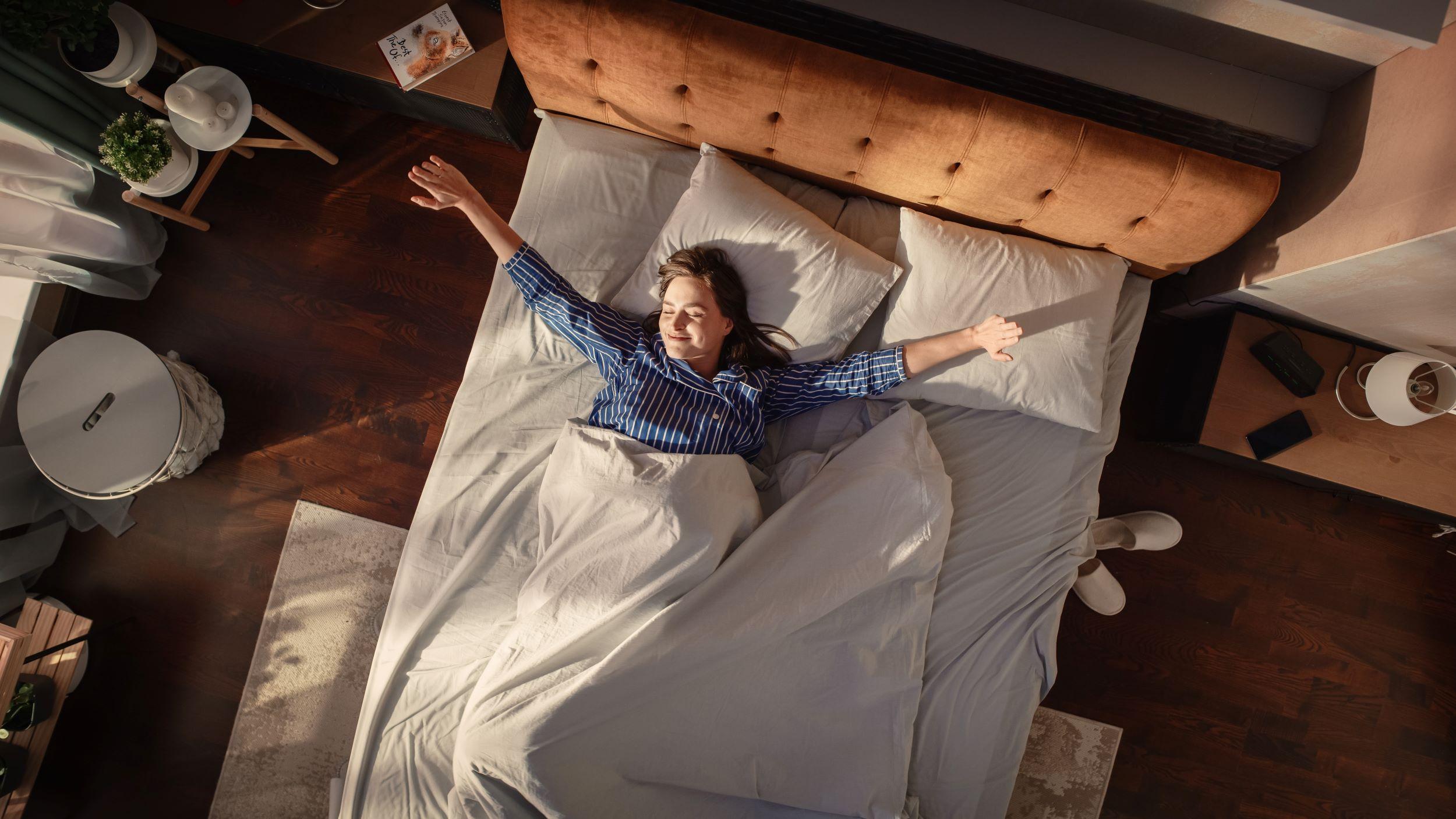
A good night's sleep matters to every guest, and families are no exception.
Start by making sure the number and type of beds are clearly suited to the advertised occupancy of your holiday home. If you want to welcome families with babies or toddlers, consider whether you can provide suitable equipment such as a cot.
Think about the practical layout as well. Parents with younger children may appreciate sleeping close to them, while families with older children may value separate bedrooms and greater privacy.
Where appropriate, additional features such as bed guards may also be useful.
Most importantly, make the sleeping arrangements clear in your property listing. Families should be able to understand exactly where everyone can sleep before booking your family friendly holiday home.
Make cooking and mealtimes easier
One of the main advantages of staying in a holiday home is the ability to prepare meals independently. For families, this flexibility can be particularly valuable.
A practical kitchen can make it easier to accommodate children's routines, dietary requirements and preferred mealtimes.
If you regularly welcome younger children, consider providing:
- a highchair
- child-friendly cups, bowls and plates
- practical dining furniture
- washable or easy-to-clean table surfaces
Small practical details can make everyday routines easier for parents and reduce the amount of equipment they need to bring with them.
Provide practical equipment for babies and young children
Travelling with small children often means travelling with a lot of luggage. Providing selected baby and child equipment can therefore make your family friendly holiday home more convenient for guests.
Depending on your property and what you can safely provide, useful items may include:
- a cot
- a highchair
- appropriate baby equipment
- age-suitable children's facilities
You do not need to provide everything. It is more important to be precise about what is available.
Clearly list all family-friendly amenities in your property description so parents know what they can leave at home and what they still need to bring.
Think carefully about child safety
Making a holiday home family-friendly also means creating a safe environment for children.
Young children are naturally curious, and an unfamiliar holiday home gives them plenty to explore. Owners should therefore inspect their property carefully and consider whether easily accessible areas or objects could present a risk.
Stairs, doors and furniture
Consider whether stairs require appropriate protection for young children and check doors for potential finger-trapping risks.
Furniture should be stable and positioned safely. Pay particular attention to items that could tip if a child pulls or climbs on them.
Sharp furniture corners may also require appropriate protection where necessary.
Kitchen safety
Cleaning products and other potentially harmful substances should be stored securely and out of reach.
Sharp objects and fragile items should also be kept where young children cannot easily access them. Pay attention to appliance cables too. For example, the cable of a kettle should not hang where a child could pull it.
Bathroom safety
Slippery surfaces are an important consideration in bathrooms. A suitable non-slip surface or bath and shower mat can help reduce this risk.
Electrical appliances should be kept away from water and stored appropriately.
Living and sleeping areas
Look for loose cables, unstable furniture and other objects that children could pull over or become tangled in.
If you provide a cot or other children's equipment, regularly check its condition and make sure it remains suitable for use.
A basic first-aid kit should also be readily accessible to adults.
Safety requirements and standards can vary between countries and regions. Holiday homeowners should therefore check the rules applicable to their property and seek appropriate professional advice where necessary.
Make outdoor areas family-friendly
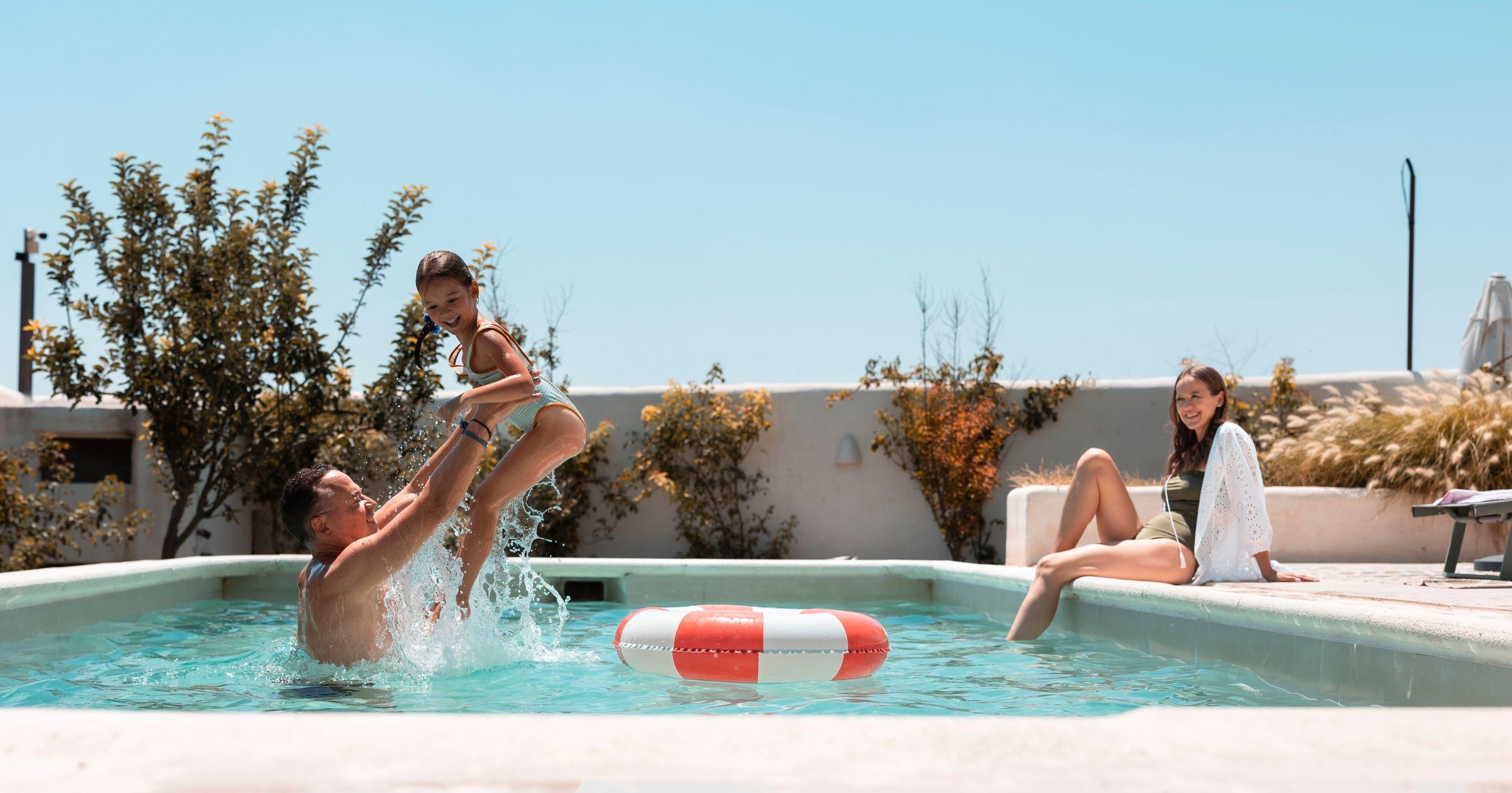
If your holiday home has a garden, terrace or other outdoor space, this can be a major attraction for families.
Start with safety. Check whether children can easily access roads or neighbouring areas and consider the security of gates, fences and boundaries.
Pools and other bodies of water require particular attention. Owners should follow all applicable local safety requirements and clearly communicate the property's safety arrangements to guests. More info: Pool regulations and safety requirements.
Garden equipment and tools should be stored securely. It is also worth checking outdoor areas regularly for damaged equipment or other potential hazards.
Once the practical considerations have been addressed, think about how families can enjoy the space. Depending on the property, simple outdoor games or age-appropriate play equipment can add to the guest experience.
Offer entertainment for different ages
Not every day of a family holiday is spent sightseeing, and the weather does not always cooperate.
Providing a small selection of entertainment can make your family friendly holiday home more welcoming. Depending on the age groups you want to accommodate, you could consider:
- board and card games
- puzzles
- children's books
- colouring books and pencils
- building toys
- balls or simple outdoor games
Choose items appropriate for your guests and check them regularly for damage or missing pieces.
For digital entertainment, clear information about available television, Wi-Fi or streaming facilities can also help families understand what your holiday home offers.
Help families discover the local area
Family-friendly accommodation extends beyond the property itself.
Parents often appreciate reliable recommendations for things to do nearby, particularly when suggestions cover different age groups and weather conditions.
A guest folder or digital guide could include information about:
- family-friendly walking or cycling routes
- swimming pools, beaches or bathing lakes
- playgrounds
- zoos and wildlife parks
- amusement or activity parks
- mini golf
- climbing or adventure parks
- museums and indoor attractions
- rainy-day activities
- nearby supermarkets and essential services
Where appropriate, you could also include useful local contact information.
Keep recommendations current and avoid simply providing a long list. A smaller selection of genuinely useful suggestions can be more helpful to visiting families.
Add thoughtful touches for younger guests
Small details can help families feel particularly welcome from the moment they arrive.
For example, a simple colouring set, children's book or small age-appropriate activity can be a pleasant addition to the arrival experience.
These thoughtful touches do not need to be expensive. Often, the most useful additions are the ones that make children feel welcome while making the stay a little easier for parents.
How to present your family-friendly holiday home online
Providing family-friendly amenities is only part of the process. Potential guests also need to be able to find and understand what your property offers.
Make sure your property listing clearly describes:
- the number and type of beds
- bedrooms and sleeping arrangements
- available baby and child equipment
- kitchen and dining facilities
- outdoor areas
- entertainment options
- safety features, where relevant
- family-friendly attractions and facilities nearby
Use accurate descriptions and keep your amenities information up to date. Photos can also help families understand the layout and facilities before booking.
Clear, detailed information helps guests decide whether your family friendly holiday home suits their needs and can lead to better-informed booking decisions.
Final thoughts: creating a welcoming family-friendly holiday home
Creating a family friendly holiday home does not mean filling your property with children's equipment or completely redesigning it.
Instead, focus on the practical needs of families. Comfortable sleeping arrangements, convenient facilities, appropriate safety measures, useful equipment and reliable local information can all contribute to a more enjoyable stay.
The best approach is to consider your holiday home from a parent's perspective and make it as easy as possible for families to understand what you offer before they arrive.
With thoughtful preparation and clear communication in your property listing, you can create a holiday home that feels welcoming, practical and suitable for families travelling with children.
FAQs: Family-friendly holiday homes
What makes a holiday home family-friendly?
A family friendly holiday home provides practical facilities and thoughtful features that make travelling with children easier and more comfortable. Depending on the age groups you welcome, this may include suitable sleeping arrangements, a cot, highchair, child-friendly dining equipment, entertainment and appropriate safety measures. The most important factor is to clearly communicate which family-friendly amenities your holiday home provides so parents can decide whether the property suits their needs.
What should I provide for families with babies?
For families travelling with babies, useful equipment may include a cot, highchair and suitable child-friendly crockery. You may also want to consider other practical baby equipment that is appropriate for your property and guests. Only provide equipment that you can maintain safely and check its condition regularly. Clearly stating what is and is not provided helps parents plan their stay and reduces the amount of equipment they need to bring.
How can I make my holiday rental safer for children?
To make a holiday rental safer for children, review the property from a child's perspective and identify potential hazards. Pay particular attention to stairs, doors, sharp corners, unstable furniture, electrical cables, cleaning products and other potentially hazardous items. Kitchens, bathrooms, balconies, gardens and swimming pools may require additional safety measures. Always follow the safety requirements and regulations that apply to your property and destination.
How should I advertise a family-friendly holiday home?
Advertise your family friendly holiday home by being specific about the facilities and amenities you actually provide rather than relying only on the term “family-friendly”. Clearly mention features such as a cot, highchair, separate bedrooms, child-friendly equipment or an enclosed garden where genuinely available. Use accurate, up-to-date photos and descriptions so families can quickly understand the property's layout, facilities and suitability before booking.