Checklist: How to rent out a holiday home
Checklist: What to consider before renting out my holiday home?
Are you thinking of renting out your property as a holiday home? It can be a great way to earn extra income, but there a few things to keep in mind. This checklist gives you the most important information to help you get started.
1. Write a good description of your holiday home or apartment
In the description, make sure to present your holiday accommodation in the best possible light – while staying honest and accurate. Clear, reliable information helps guests know exactly what to expect.
Describe the living space, including the number and type of rooms, as well as how many people can sleep there.
Highlight outdoor areas such as a garden, balcony, or terrace.
Provide a short overview of the kitchen facilities and any special features.
Add details about the location, for example the distance to the nearest beach, ski lift, or other key points.
Mention what is nearby, such as attractions, restaurants, or shopping options.
This gives potential guests a complete and trustworthy picture of your holiday home.
2. How should I set the prices for my holiday home?
Start by calculating the fixed costs of your holiday home or apartment. This gives you a solid basis for your pricing.
Next, take a look at what similar properties in your area are charging. Compare holiday rentals with a similar location, size, and level of amenities. Your prices should be in a similar range to stay competitive.
If your property offers something special – like an exceptional location, unique features, or premium equipment, you can justify a higher price, as long as it provides real added value for your guests.
3. How to take good photos of a holiday home?
Pictures are the first impression of your holiday home or apartment, whether it’s the main photo on your website, on booking platforms, or any additional images. That’s why taking good photos should be high on your holiday rental checklist.
The photos should show all rooms.
They need to be authentic, yet still appealing
The apartment should be clean and tidy, and the photos should create a positive overall impression.
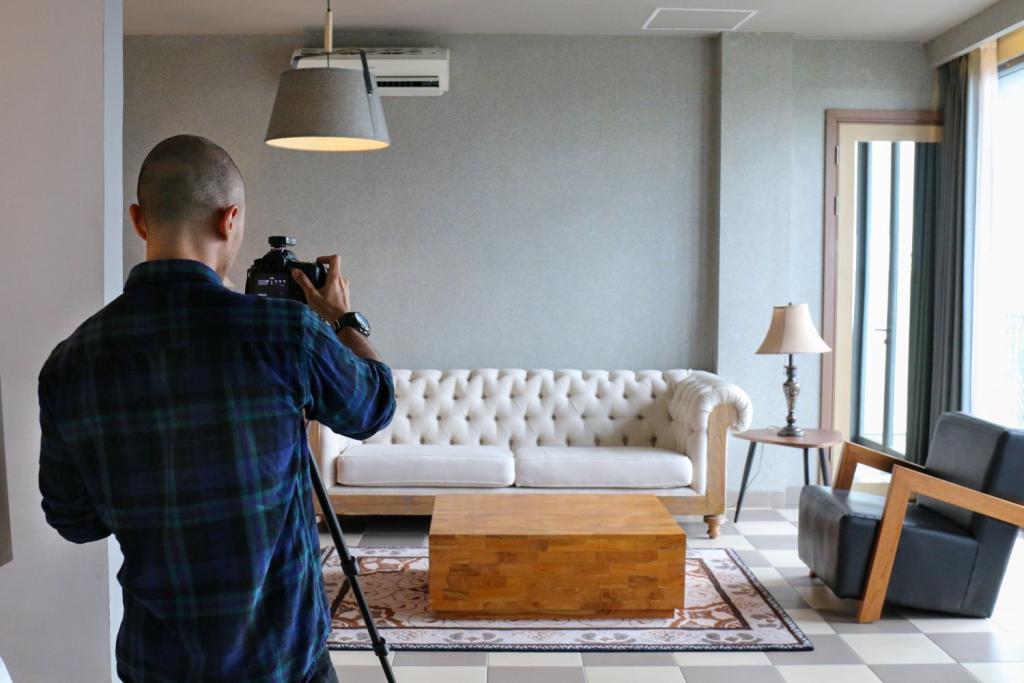
Good photos of your accommodation – a central key to success
4. Make an inventory list for your holiday rental
Before guests arrive, create an inventory list that includes all items in the holiday home or apartment along with their condition. This helps you easily check after each stay whether anything is missing or if furniture has been damaged – such as scratches, stains, or other signs of wear. With a good inventory list, you can quickly spot minor issues and fix them before the next guests arrive.
Checklist: Furnishing a holiday let – what to consider!
5. Security aspects
There are several safety standards to keep in mind. For example, balconies should have proper railings, and windows and doors should be secure.
Smoke detectors are also essential and are often required by law. Be aware that legal requirements can vary from country to country.
If your property has bunk beds, check that they meet safety guidelines. The same applies to optional extras like a swimming pool – these must be property secured.
Safety is especially important for families with babies or young children, so make sure your accommodation is child friendly.
Lastly, don’t forget data protection. Ensure that guests’ personal information is handled and stored securely.
6. Use a contract
As a landlord, you should always have a rental contract in place with your guests. This protects both sides in case of disputes or issues. There good sample contracts available that cover important points such as cancellation policies and the tenant’s responsibilities.
If your holiday rental is managed by a property manager or a company, you should also have a contract with them. Model agreements are available that outline the manager’s rights and obligations.

The rental contract – an absolute must!
7. Tourist tax
When thinking about renting out a holiday home – what to consider, the tourist tax is a point that is often overlooked. In many coastal regions and popular destinations, guests must pay this local tax – either at the tourist office, at vending machines, or directly to the landlord. Since requirements differ from place to place, it’s important to stay informed about the current rules in your specific area.
8. Register your property as a holiday home or apartment
Registering your property as a holiday home with the local residents' registration office is more than just a formality. In some cases, approval can even be denied—for example, due to the Housing Protection Act or local regulations against misuse. Failing to register properly can lead to fines that reach into the six-digit range.
While there are no strict legal requirements for the furnishings of a holiday property, it must be a self-contained residential unit equipped with basic furniture and household items.
If you are a co-owner of the property, it’s also important to review the co-ownership regulations before renting it out to holiday guests.
9. Which insurances are important for letting a holiday rental?
As a property owner, you should always have building insurance and natural hazards insurance to protect your property against damage caused by natural events.
For holiday homes specifically, commercial household insurance is recommended. It extends beyond private household insurance and covers damage caused by careless guests or burglary.
Business liability insurance is essential in addition to personal liability insurance. It protects you against justified claims from guests in case of accidents.
Commercial legal protection insurance is also advisable so that you are covered in the event of any legal disputes.
10. Make your holiday home visible online – and bookable!
Once everything is ready, you can start renting out your holiday home. Since most guests now search for and book accommodations online, it is important to ensure your property is easy to find and appealing on the internet. A strong online presence, including a well-maintained availability calendar and quick responses to inquiries, will significantly increase your chances of getting bookings.

Having a good overview of all availabilities and customer requests – essential!
11. Find a strong partner for letting your holiday home
As this holiday rental checklist shows, there is a lot to prepare and consider before you can start renting out your accommodation. Working with a strong partner, or even handing over the entire rental process, you can make things much easier. As one of the leading European specialists in this field, Interhome brings 60 years of experience in vacation rentals. When you work with us, you benefit from our worldwide online reach, bookings through travel agencies, and extensive marketing activities. We manage your online presence, handle all customer communication and payments, and, in destinations with a local Interhome service office, take care of practical one-site-tasks – from professional cleaning and linen changes to full guest service.
Want to find out more?
Let us advise you free of charge and without obligation. We would be happy to show you your individual rental potential and work with you to create the right offer. Simply get in touch by filling out the form Contact Form.
>> More expert tips: Mistakes holiday home owners should avoid
FAQ: How to rent out a holiday home
Do I need permission to rent out my holiday home?
Local regulations differ, so check whether your area requires permits, registration, specific safety standards, or approval from your homeowners’ association before renting.
How do I decide what to charge per night?
Look at similar properties, consider seasonality and your amenities, and use dynamic pricing tools to stay competitive.
Which platforms should I list my holiday home on?
Listing on several platforms increases visibility, but it also means you need to keep calendars synced. A partner like Interhome can handle listings on major platforms and manage availability for you.
What should I include in my listing?
Add high-quality photos, an accurate and clear description, a list of amenities, house rules, check-in information, and transparent pricing details.
How do I manage check-ins, check-outs, and cleaning?
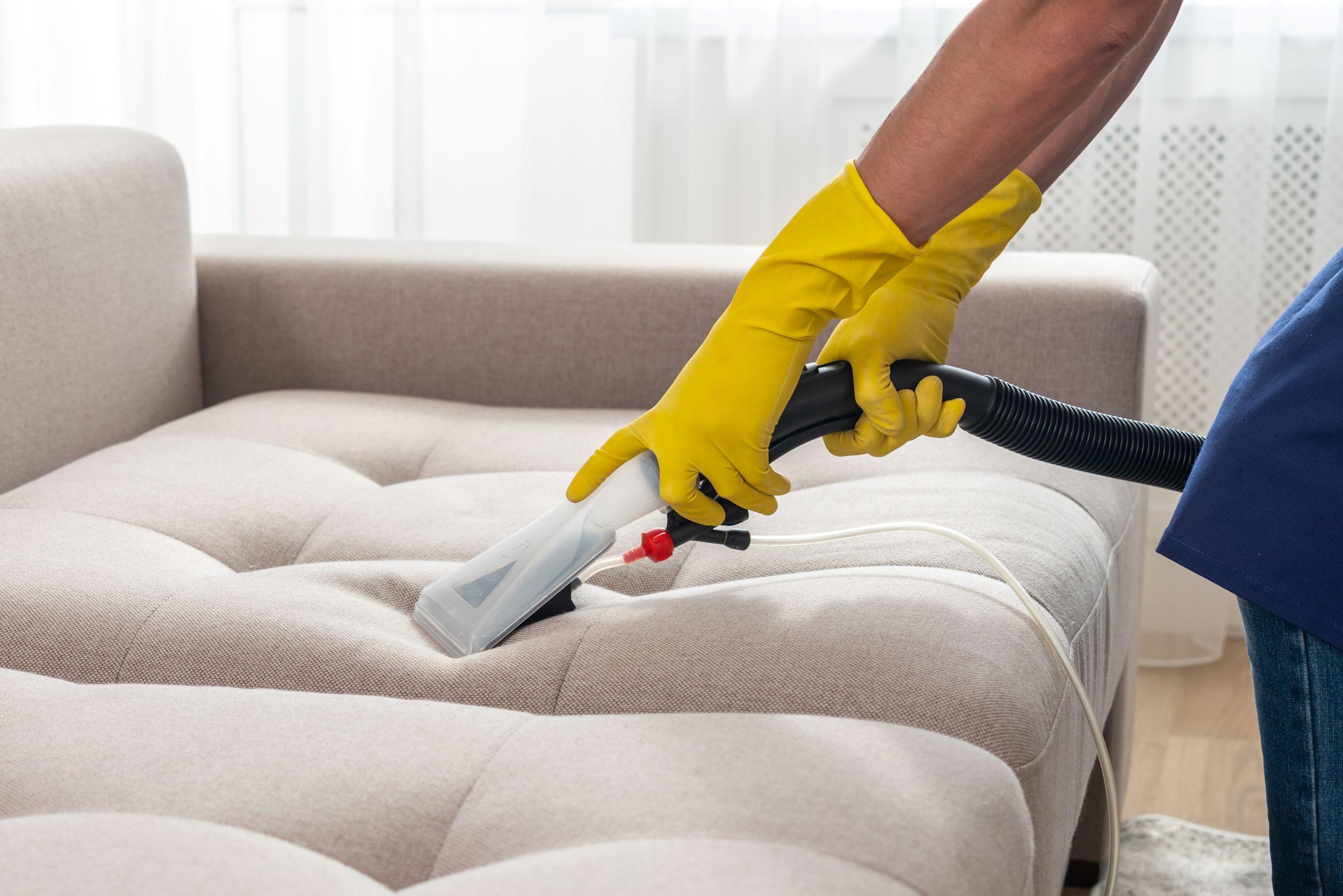
Decide whether you prefer in-person check-ins or self-check-in solutions such as lockboxes or smart locks. Provide clear instructions for guests and make sure the property is professionally cleaned. Interhome can support you with both check-in arrangements and cleaning services.
Do I need insurance and how do I handle taxes?
Yes. Standard home insurance usually does not cover short-term rentals, you will need dedicated insurance for your holiday home. Keep thorough records and consult a tax professional, as rental income is generally taxable.